Latest Insights

Bifacial solar panels vs single-sided solar panels
Bifacial panels are significantly more efficient than standard panels. They can generate more electricity—up to 30 percent more—thanks to their ability to capture light from both sides. That extra energy comes from the sunlight reflecting off the ground, walls or other surfaces.Read More Download files

Photovoltaic panels vs solar panels
To break it down into the simplest terms, photovoltaic cells are a part of solar panels. Solar panels have a lot of photovoltaic cells lined upon them to convert sunlight into voltage. The solar panels use the v.Read More Download files

72 volt inverter vs low voltage
High-voltage inverters generally offer better efficiency because higher voltage means less current, which leads to reduced heat and less energy lost in the wires. Low-voltage inverters, while safe and accessible, tend to be less efficient for bigger power needs.Read More Download files
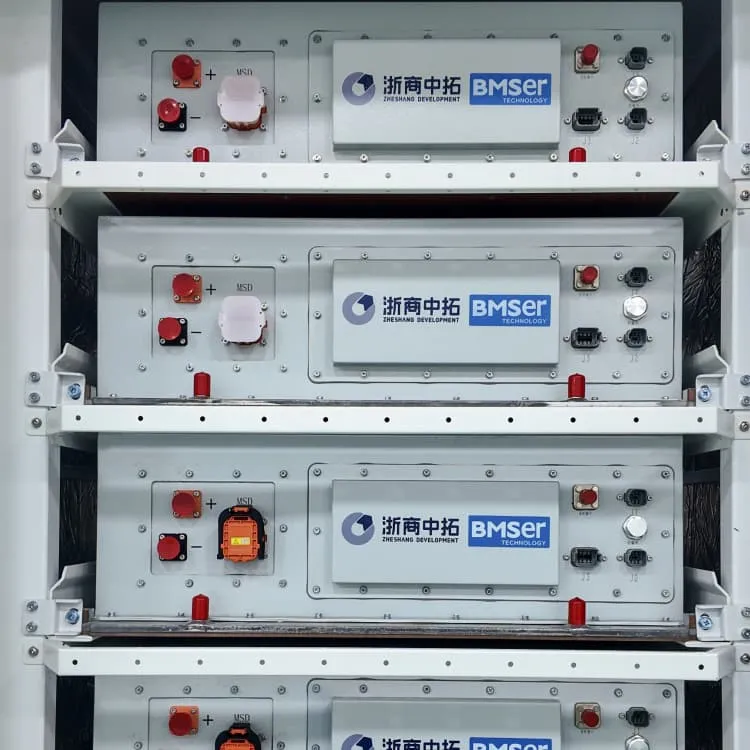
What are the types of bifacial photovoltaic modules
A bifacial solar cell (BSC) is any photovoltaic that can produce electrical energy when illuminated on either of its surfaces, front or rear. In contrast, monofacial solar cells produce electrical energy only when photons impinge on their front side. Bifacial solar cells can make use of radiation, which is useful for applications where a lot of light is reflected on surfaces such as roof.Read More Download files

Photovoltaic panel charging voltage and current comparison
Voltage, measured in volts (V), acts like the pressure pushing electrical charges through a circuit, while current, measured in amperes (A), is the flow rate of those charges. For instance, a typical 60-cell PV panel produces around 36 volts and 8-9 amps under full sunlight.Read More Download files
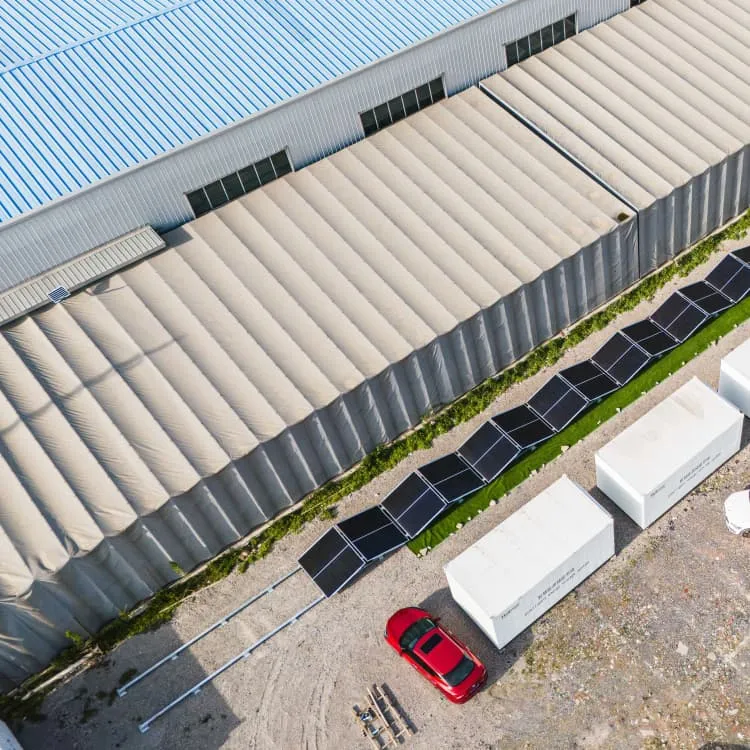
American photovoltaic bifacial modules
Solar technology in the USA has advanced rapidly, and bifacial solar panels are the latest innovation transforming residential solar energy. Unlike traditional single-sided panels, bifacial models capture sunlight on both sides, maximizing efficiency and performance.Read More Download files

Somaliland bifacial solar panels generate electricity
While modern solar panel performance has improved dramatically across the board, bifacial panels can generate up to 30% more electricity than traditional single-sided panels in optimal conditions. This increased production comes from their ability to capture light on both sides of the panel.Read More Download files
Bifacial double-glass module specifications
Assembled with 11BB bifacial PERCIUM cells and gapless ribbon connection technology, these double glass modules have the capability of converting the incident light from the rear side together with the front side into electricity, providing higher output power, lower temperature coefficient, less shading loss, as well as enhanced tolerance for mechanical loading.Read More Download files
Bifacial photovoltaic panels
A silicon was first patented in 1946 by when working at and first publicly demonstrated at the same research institution by , , and in 1954; however, these first proposals were monofacial cells and not designed to have their rear face active. The first bifacial solar cell theoretically proposed is in a Japanese patent with a priority date 4 October 1960, by Hiroshi Mori, when working for the companyRead More Download files